Selling abroad used to mean a separate website per country. On Shopify, one store can sell into many markets, each with its own currency, prices and language. The tools are there — the trick is setting them up so overseas customers trust you enough to buy.
1. Show prices in their currency
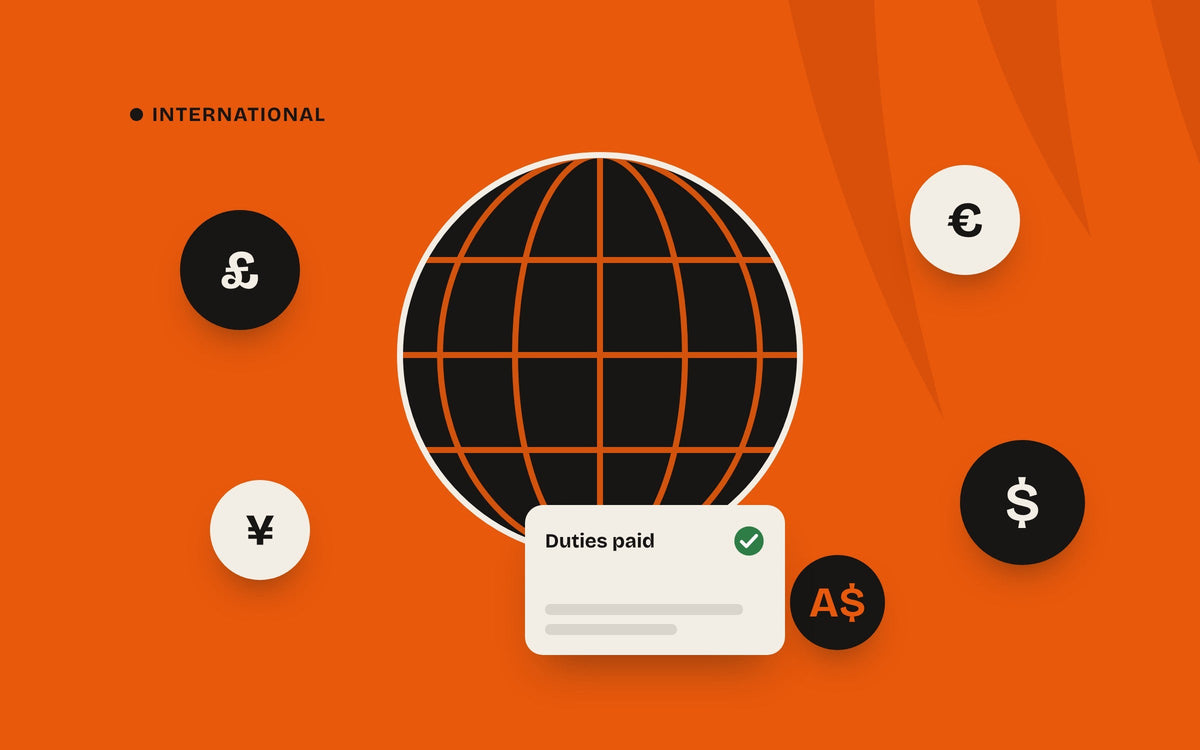
Shoppers are far more comfortable paying in a currency they understand. Shopify Markets converts prices automatically, but don't stop there: set rounding rules so prices look deliberate (€49 rather than €48.73), and consider fixed price lists for your most important markets.
2. Deal with duties up front
Nothing kills repeat orders like a customer being asked to pay import charges on their doorstep. Where possible, calculate and collect duties and import taxes at checkout, so the price they see is the price they pay — and say so clearly on your delivery page.
The price they see should be the price they pay.
3. Get the tax set-up right
Tax rules depend on where you're selling and how much. Two common examples for UK businesses: the EU's Import One-Stop Shop (IOSS) covers lower-value consignments up to €150, and the UK expects VAT to be charged at the point of sale on consignments up to £135. Shopify's tax settings can handle the collection side — but registrations are a question for your accountant, so involve them early.
4. Speak their language
Translation doesn't have to mean every page in every language on day one. Start with the markets that already send you visitors, translate the pages that matter most to buying — product pages, delivery and returns — and have a native speaker check the important bits.
5. Make delivery and returns obvious
International shoppers want to know three things before they buy: how much delivery costs, how long it takes and what happens if it doesn't fit. Put the answers on product pages and in the cart, not buried in a policy page.
Where to start
Check your analytics for the countries already sending you visitors and orders — that's usually your first market. Get one market working well, then repeat.
This is general guidance rather than tax advice. If you'd like help setting up international selling on Shopify, we can work alongside your accountant.