We don't sell a single product. There's no shop on this site, no basket and nothing to add to it. Our website still runs on Shopify, and that was a deliberate choice. Most services businesses assume Shopify is only for online shops. In practice it's one of the best platforms a services business can be on, because it gives you a fast, secure, easy-to-edit website, a proper customer list and built-in email. And when the day comes that you want to sell something, you can switch that on without rebuilding anything.
Why most services websites go stale
The typical services site is built once, by someone who's since moved on, on a platform that needs plugins, updates and a developer to change anything more than a sentence. Case studies stop getting added because it's a hassle. The contact form sends emails to an inbox and the details go nowhere else. Every few years the whole thing is rebuilt from scratch.
The problem usually isn't the design. It's that the website was built as a brochure, when what a services business needs is a system for winning and keeping clients.
1. Your content becomes structured, not just pages
Shopify lets you define your own content types, called metaobjects, each with its own fields and its own page design. On our site, case studies, testimonials, FAQs and free guides all work this way. Adding a new case study means filling in a form (client, challenge, what we did, results, images) and it appears on its own page, styled correctly, and in the right lists across the site.
Nobody touches a template and nothing gets designed from scratch. That's the difference between a site you keep adding to and one that's frozen the week it launches.
2. Every enquiry and sign-up goes into a real customer list
On a typical brochure site, a newsletter sign-up lands in one tool, a guide download in another, and a contact form in your inbox. On Shopify, sign-ups from the footer, the newsletter and every free guide on our site go straight into Shopify's customer list, with their email marketing consent recorded and a tag showing where they came from.
That means you can see who downloaded which guide, group people into segments, and follow up properly. It also means your marketing list and your future customer list are the same list. You don't need to stitch anything together later.
We didn't move to Shopify to sell products. We moved so that when we're ready, there's nothing left to build.
3. Email marketing is built in
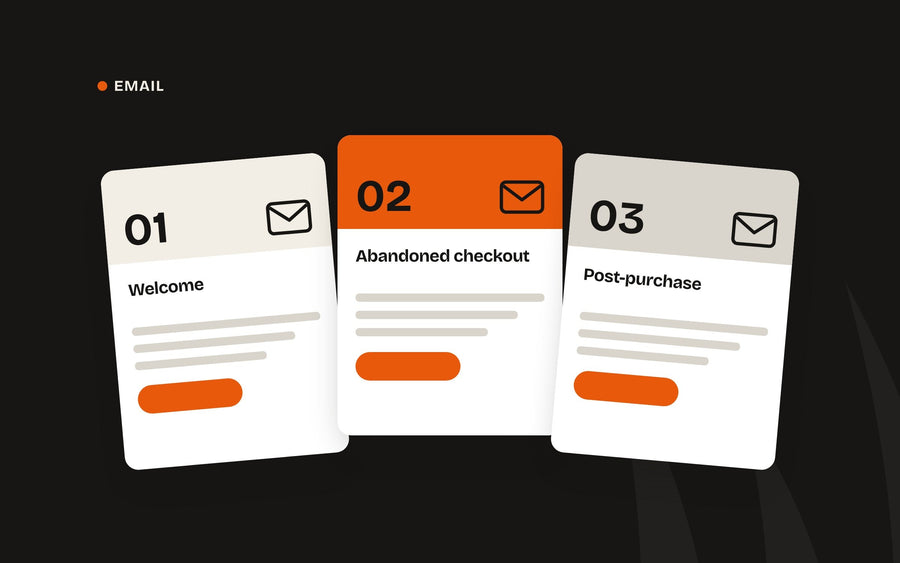
Shopify Messaging, Shopify's own email and SMS app, sends campaigns and automations to those customer segments. The first 10,000 emails each month are free. For a services business that's enough for a welcome series, guide follow-ups and a regular newsletter, without paying for a separate email platform from day one.
On our site, each free guide tags the person who downloads it, so the right follow-up email can go to the right people automatically. Shopify Flow can handle the more involved workflows when you need them.
4. Hosting, security and speed are taken care of
Hosting, the SSL certificate and a global content delivery network all come as part of Shopify. There's no server to manage, no plugins to patch, and no 2am emails about a security update that broke your contact form. Shopify keeps the platform up to date, and your site stays fast on phones without anyone tuning it.
For a small business without an in-house developer, that's quietly one of the biggest benefits. The time and money that used to go on maintenance can go on things that win work.
5. You can edit it yourself
Shopify themes are built from sections you can add, move and edit in a visual editor. Changing a heading, swapping an image, reordering the homepage or adding an FAQ doesn't need a developer. You can see the change before it goes live, and the design stays consistent because you're working within the brand you've set up.
6. SEO and AI search are covered properly
Shopify gives you control over page titles, meta descriptions, image alt text and URLs, generates a sitemap automatically and has a built-in redirects tool, which matters when you're moving from an old site and don't want to lose rankings. Add structured data that tells search engines (and AI assistants) what your business is and what it offers, and a services site on Shopify can compete with anything built on a traditional CMS.
7. The day you want to sell, it's already there
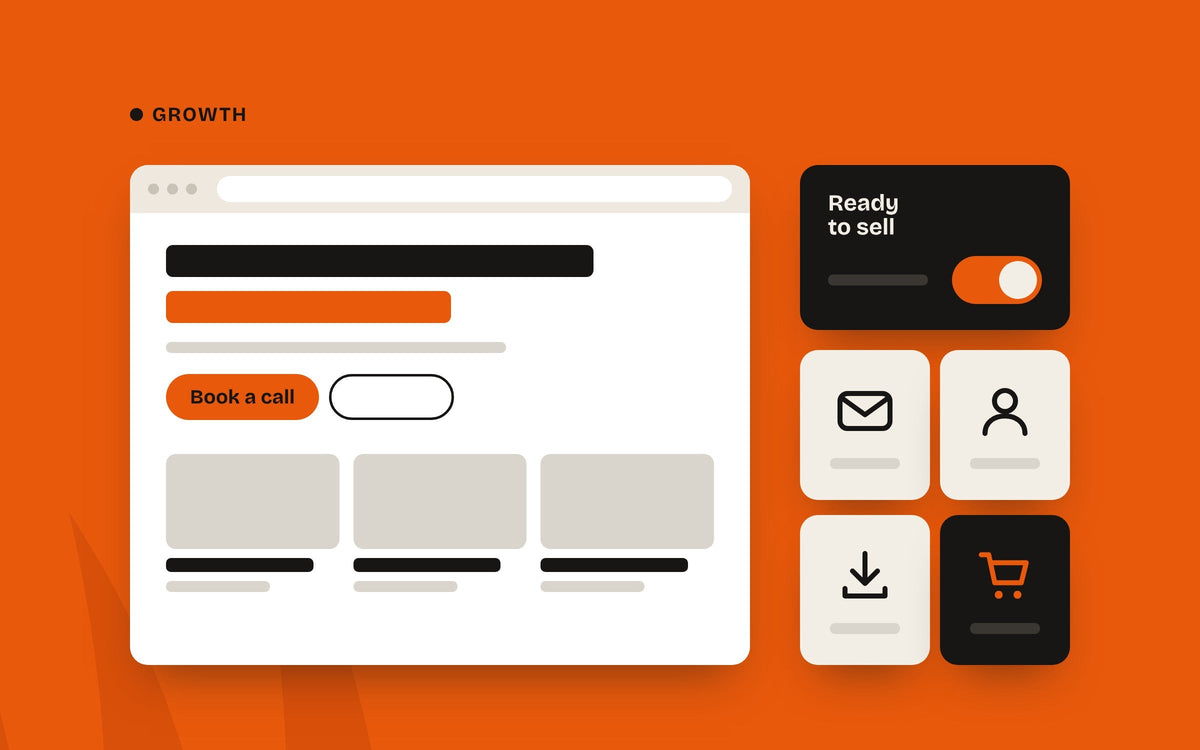
This is the part most services businesses don't think about until they need it. Once you're on Shopify, selling is a setting rather than a rebuild. A services business could:
- Sell a fixed-price service, such as an audit, a consultation or a workshop, with payment taken up front.
- Sell digital downloads like templates, guides or courses.
- Offer gift cards or vouchers.
- Take deposits or bookings through apps that plug straight into the store.
- Sell at events in person with Shopify POS, using the same products and customer list.
- Run trade or wholesale pricing for business clients through Shopify's B2B features.
The website, customer list, email and checkout are all already connected. You're adding to something that works, not bolting a shop onto a site that was never designed for one.
Is it right for every services business?
Not always. If your website's main job is a complex client portal, heavy custom software or a membership platform with lots of logic, a different set-up may suit you better. And a Shopify plan is a monthly cost, which isn't the cheapest option for a five-page brochure site you never plan to touch.
But if your website is meant to win work, build an audience, follow up with leads and possibly sell something one day, Shopify does all of that from one platform, with one login and one bill. That's why we moved our own site, and why the site you're reading was designed around what Shopify does best.
Thinking about it for your business? We build Shopify sites for services businesses as well as shops, handle the move from your current platform without losing your rankings, and our audits will tell you honestly whether it's worth it. Or just tell us about your business.